

 English
 русский
 España
 Portugal
 عربي
Li Mei | Aquarium Equipment Sales Specialist
Home / Author / Li Mei | Aquarium Equipment Sales Specialist / A Complete Guide to Choosing a Multifunctional Closed Cat Litter Box
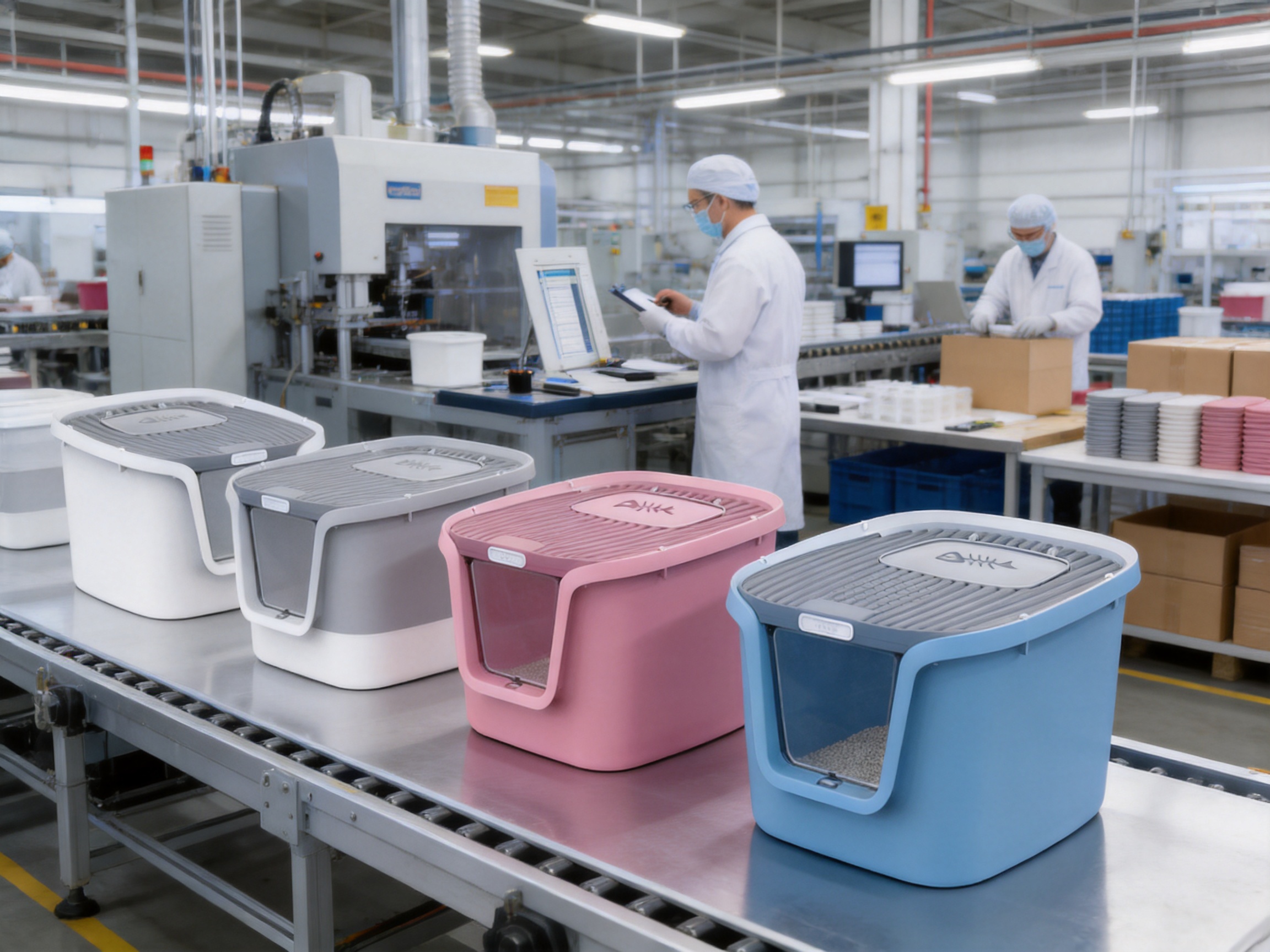
Choosing the right cat litter box is an important part of creating a clean, comfortable, and well-organized home for cats and their owners. A litter box must provide adequate space, easy access, privacy, ventilation, and convenient maintenance. It should also fit naturally into the living environment without creating unnecessary mess or visual disruption. The multifunctional closed cat litter box described in this article is designed to address these practical needs through an enclosed structure, dual access doors, a top opening, and a compact yet usable form.
Designed for kittens, adult cats, and households with more than one cat, this litter box combines the privacy of a covered enclosure with the flexibility of multiple entry and exit routes. Its dimensions are 555 millimeters long, 445 millimeters wide, and 383 millimeters high. The main door measures 200 by 200 millimeters, while the top opening measures 243 by 200 millimeters. These proportions provide a useful balance between accessibility and enclosure.
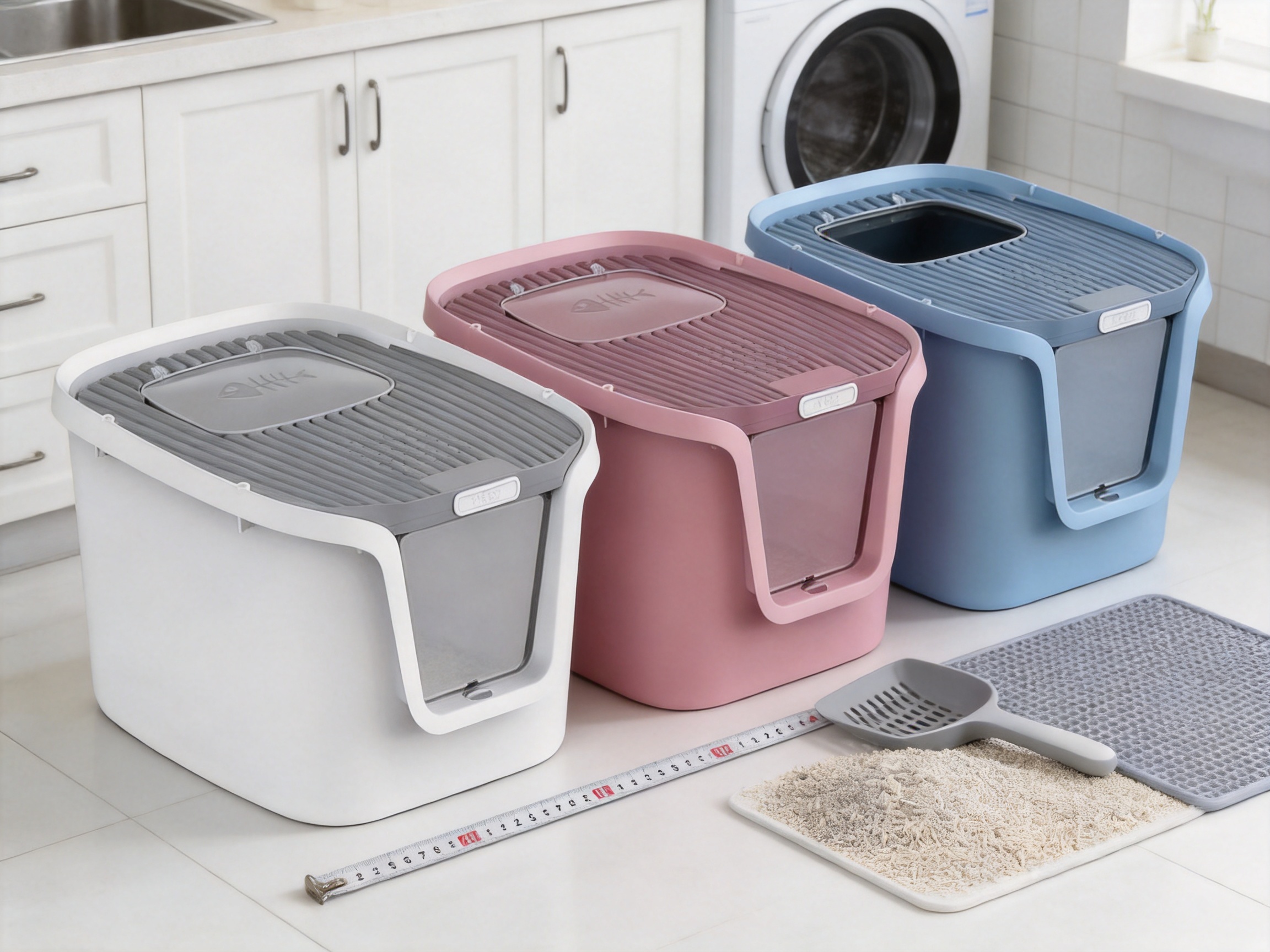
The product is available in elegant grey, cherry pink, and dream blue. These color choices allow the litter box to blend with different interior styles, including modern apartments, family homes, pet rooms, and utility areas. More importantly, the product is manufactured by an experienced organization with decades of industrial development, structured quality management, research capabilities, and production experience across aquarium, pet, water-management, and related equipment industries.
Content
A cat litter box is more than a simple container for litter. It influences a cat’s daily habits, the cleanliness of a room, the amount of odor noticed by household members, and the time required for routine maintenance. Cats can be sensitive to sudden environmental changes, restricted movement, poor positioning, and unpleasant smells. A suitable enclosure should therefore support natural behavior rather than make access difficult.
Open litter trays are popular because they are easy to inspect and clean. However, they may allow litter to scatter more easily, expose waste to the surrounding room, and provide little privacy. They can also become visually intrusive in compact homes. A closed litter box offers an alternative by creating a more private interior space and helping contain litter within the main structure.
The multifunctional closed design goes further by providing two access options. A cat can enter through the front door or use the opening on the top, depending on its age, size, confidence, and preferred movement pattern. This arrangement can be especially useful in households where cats have different habits or where owners want greater flexibility when positioning the box.
Multiple access points also reduce the feeling of confinement. Some cats prefer a conventional front entrance, while others enjoy climbing or stepping down through a top opening. When a litter box provides more than one route, the owner has additional options for introducing the product gradually and arranging it in a way that suits the room.
The product is a multifunctional closed cat litter box intended for kittens and adult cats. Its overall dimensions are L/555 × W/445 × H/383 millimeters. The main front door is 200 × 200 millimeters, and the top opening is 243 × 200 millimeters. The structure is designed to provide a sheltered litter area while maintaining practical access for everyday use.
| Feature | Specification |
|---|---|
| Product type | Multifunctional closed cat litter box |
| Length | 555 millimeters |
| Width | 445 millimeters |
| Height | 383 millimeters |
| Main door size | 200 × 200 millimeters |
| Top opening size | 243 × 200 millimeters |
| Available colors | Elegant grey, cherry pink, and dream blue |
| Suitable users | Kittens and adult cats |
These specifications make the litter box suitable for many ordinary domestic settings. It can be placed in a bathroom, laundry area, balcony utility space, pet room, hallway corner, or another dry and accessible location. Owners should always consider the size and mobility of each cat, because individual animals may require more interior room than the basic entrance dimensions suggest.
The closed structure is also useful for owners who want to make a cat’s toileting area less prominent. Instead of leaving an open tray fully visible, the enclosed form presents a more contained appearance. It can help organize the space around the litter area and reduce the likelihood that litter will be kicked directly into nearby areas during normal use.
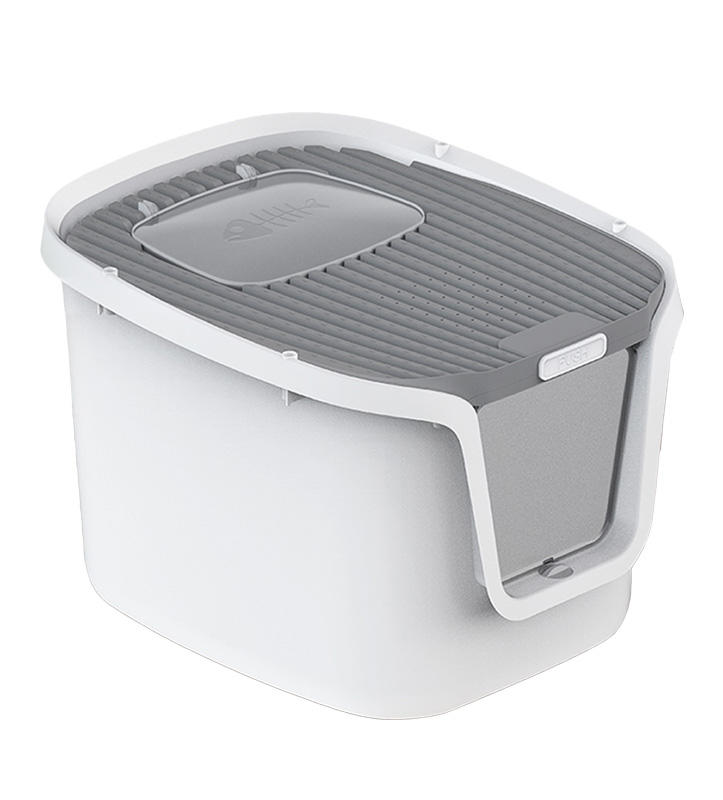
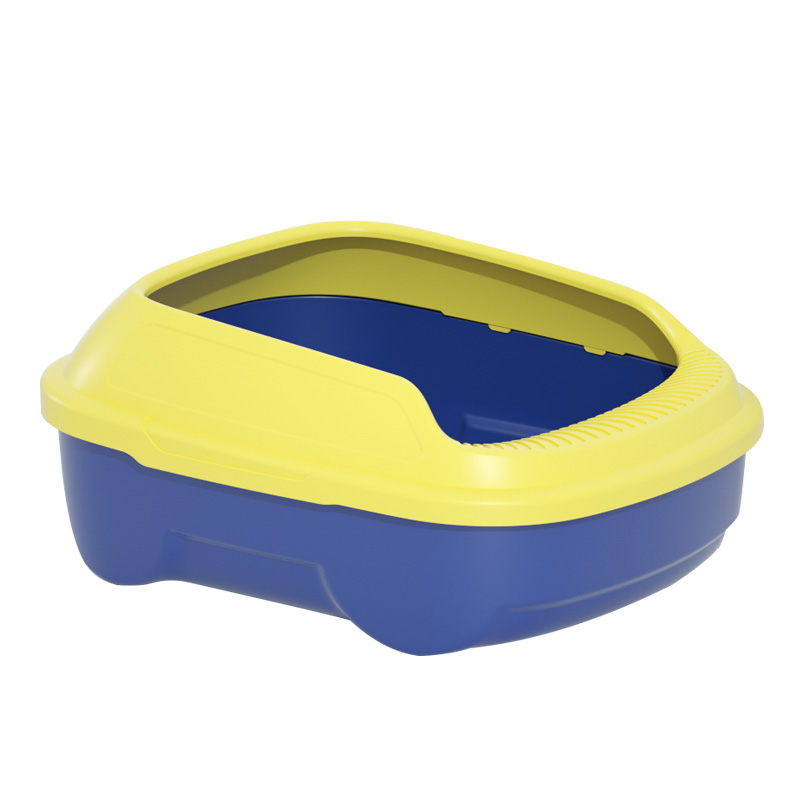
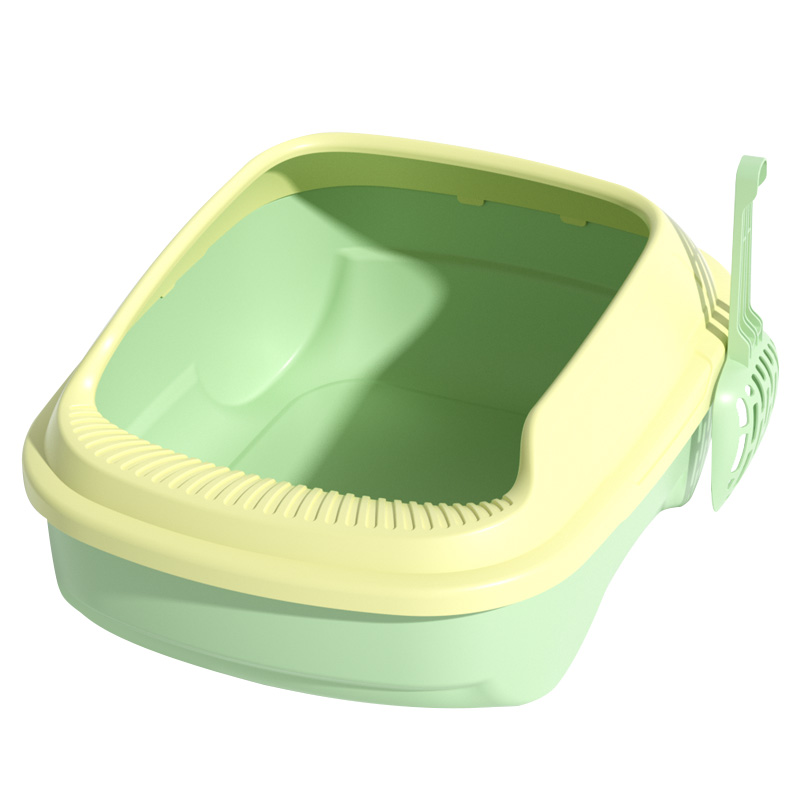
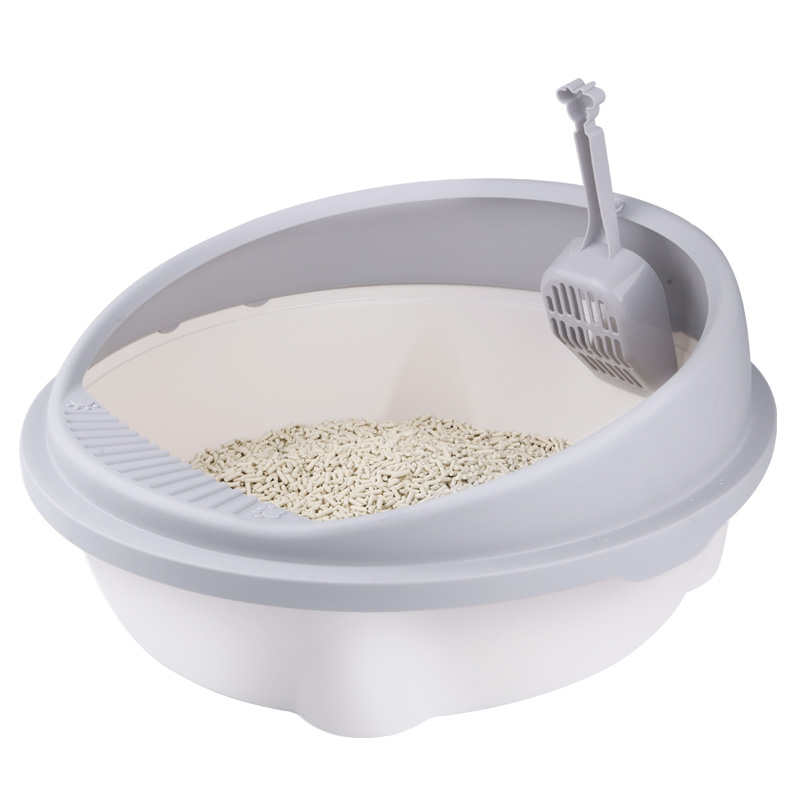
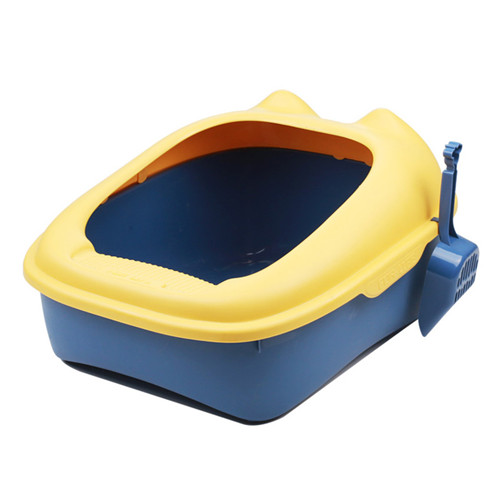
DHO Multifunction Cat Litter Box
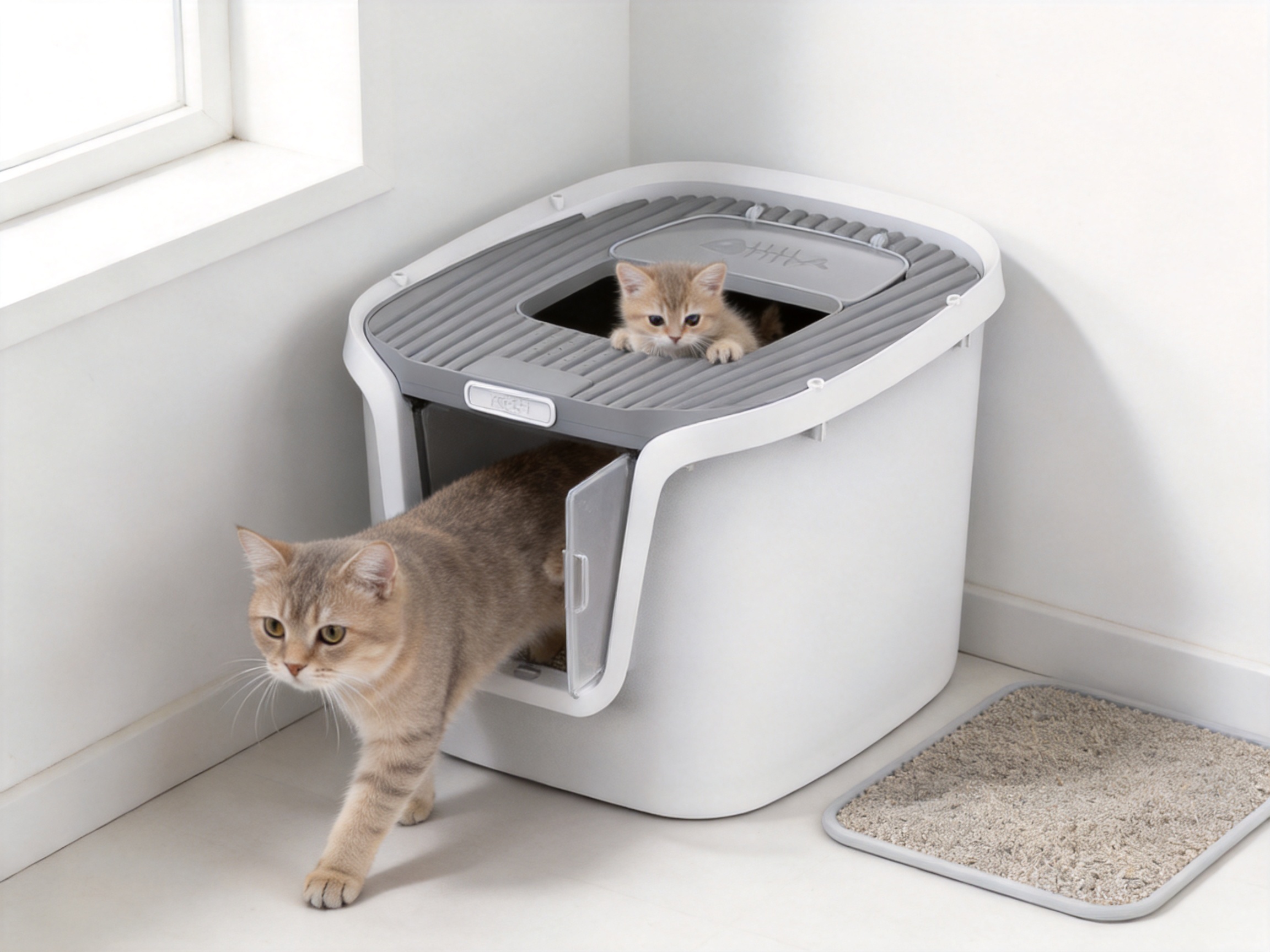
One of the most important advantages of this product is its dual-opening configuration. The front door provides a familiar route for cats that prefer to enter at floor level. The top opening offers an alternative route for cats that like to climb, descend, or use a more vertical approach. This feature gives the product a broader range of use than a basic single-entry covered tray.
A front entrance is particularly helpful during the adjustment period. When a cat is first introduced to a covered litter box, the owner can position the box with the main door facing an open area. This makes the interior easy for the cat to discover. Once the cat is comfortable, the top opening can provide an additional option and may contribute to a more engaging environment.
The top opening may also be useful in homes where floor space is limited. If furniture, walls, or other objects make the front approach less convenient, the owner may be able to place the litter box in a location where the top access remains clear. This flexibility can help homeowners make better use of awkward corners without removing access entirely.
For kittens, access should be introduced carefully. Very young or small cats may need the front opening initially because it requires less climbing. Owners should observe how the cat uses the product and ensure that the litter box is placed on a stable surface. As the cat grows and becomes more confident, the top opening may become an additional or preferred route.
For adult cats, the two access points can make movement feel less restrictive. Some cats dislike entering a box with only one narrow route, particularly if they feel startled or interrupted. A second opening may make the enclosed environment feel more open and easier to leave.
Compared with a conventional closed litter box that has only one door, a dual-opening model gives both the animal and the owner more choices. This is a meaningful functional advantage rather than a decorative feature. The design recognizes that cats do not all behave in the same way and that flexibility can improve the likelihood of long-term acceptance.
Many cats prefer a private place for toileting. A covered litter box can provide visual separation from the surrounding room and may help a cat feel more secure during use. This can be particularly valuable in active households where people move frequently, children play nearby, or other pets share the same space.
Privacy should not mean complete isolation. A litter box that is difficult to enter, difficult to leave, or unpleasantly confined may discourage use. The combination of a front door and top opening helps balance these considerations. The enclosed body creates separation, while the two openings maintain a sense of choice and movement.
The enclosed form can also help make the litter area look more orderly. Open litter trays may reveal used litter, scattered particles, or other visual details from across a room. A closed structure reduces direct visibility and can make the surrounding environment appear cleaner between maintenance sessions. It does not eliminate the need for regular cleaning, but it supports a tidier presentation.
Owners should still place the litter box in a quiet, ventilated, and easily accessible location. A closed design should not be used as a reason to place the product in a cramped cabinet, sealed storage area, or inaccessible corner. Cats need to reach the box without difficulty, and owners need enough space to inspect and clean it properly.
The product measures 555 millimeters in length, 445 millimeters in width, and 383 millimeters in height. This footprint is compact enough for many apartments while still offering a substantial enclosed area. The rectangular form can be positioned against a wall or beside other pet-care equipment without requiring an unusually large amount of floor space.
When selecting a location, owners should measure the available area before installation. Space should be left around the product so that the door can be accessed, the top opening can remain clear, and the unit can be removed for washing or inspection. A small amount of clearance also makes regular maintenance more convenient.
The 200 by 200 millimeter front door is designed as the primary entry route. The 243 by 200 millimeter top opening provides a somewhat broader alternative access area. Because cats vary substantially in body size, owners should compare these dimensions with the physical characteristics of their pets before purchase and use.
The product is described as suitable for kittens and adult cats. This broad application makes it practical for households with cats at different life stages. However, an elderly cat, a cat with limited mobility, or a particularly large cat may need special consideration. Owners should monitor movement during the first several uses and avoid forcing an animal to use an entrance that appears uncomfortable.
Dimensions also influence cleaning. A box that is too small may be difficult to scoop effectively, while an oversized box may be inconvenient to place in a home. The listed proportions provide a middle-ground solution for everyday residential use, especially where owners want an enclosed product without sacrificing all available floor space.
The market includes many simple open trays and single-door covered litter boxes. The multifunctional closed model offers several practical distinctions when compared with these basic alternatives.
Open trays provide direct visibility and quick access, but they generally offer less privacy and may allow more litter to be displaced during digging. The covered structure of this product creates a more contained toileting area and can reduce the visual exposure of the litter inside.
An open tray may also look untidy when placed in a living area. The closed form presents a more organized appearance and can be easier to integrate into a room where the litter box cannot be completely hidden. The available color options further support coordination with household furniture and interior decoration.
A single-entry covered box can provide privacy, but it limits the cat to one route. The dual-opening arrangement gives the cat a front entrance and a top opening. This can support different preferences and may make the interior feel less restrictive.
For owners, two openings also provide greater placement flexibility. A single-door product may need to be positioned with its entrance facing a particular direction. A two-opening unit can sometimes be arranged more efficiently in a corner or narrow room, provided that both access points remain usable.
Some advanced litter systems include multiple mechanical parts, electrical components, or specialized replacement elements. Such products may offer automatic functions, but they can also increase purchase cost, maintenance requirements, and dependence on proprietary accessories.
The multifunctional closed litter box focuses on useful physical design rather than unnecessary complexity. Its main advantages come from enclosure, access flexibility, appropriate dimensions, and straightforward daily use. This can appeal to owners who want a durable and practical product without a complicated operating system.
A closed litter box that is too low, too narrow, or badly proportioned may discourage cats from entering. The listed dimensions and two access routes help create a more adaptable design. While suitability still depends on each animal, the product is intended to serve both kittens and adult cats rather than a single narrow user group.
The product is supplied by Sensen Group Co., Ltd., an industrial organization established in November 1985. More than three decades of continuous operation provide an important foundation for product development, production planning, quality control, and market service. The company’s business activities include aquarium products, aquatic machinery, industrial equipment, pet-related products, and other equipment categories.
This broad industrial background is relevant to the manufacture of a pet product. Pet equipment must combine practical design, consistent dimensions, appropriate material handling, stable production, and reliable quality inspection. Experience across multiple equipment sectors can support disciplined manufacturing methods and a deeper understanding of product engineering.
The organization has established several functional departments, including a research institute, business school, quality control department, personnel and administrative information department, and financial department. A departmental structure of this kind supports the separation of research, production oversight, quality activities, training, administration, and commercial operations.
A dedicated quality control function is especially important for products used by animals. A litter box must maintain its intended shape, provide usable openings, and have a surface that can be cleaned as part of normal maintenance. Consistency between production batches helps distributors and customers receive products with predictable dimensions and appearance.
The company also operates several wholly owned subsidiary corporations and maintains an import and export company. This organizational scale can support supply coordination, regional distribution, product communication, and international business services. It also gives the company experience in serving markets with different product expectations and operating conditions.
Manufacturing strength is not limited to the physical production line. It includes design development, material organization, mold or tooling management where applicable, assembly control, packaging, warehousing, inspection, documentation, and customer support. A company that manages these activities systematically is better positioned to deliver consistent products to domestic and overseas customers.
The development of a multifunctional cat litter box requires attention to both animal behavior and household convenience. A product may look attractive but fail if its door is difficult to use, its structure is unstable, or its cleaning process is inconvenient. Product development must therefore consider the full life cycle, from first introduction to regular maintenance.
The dual-opening concept reflects a user-focused development approach. Instead of treating every cat as if it has the same preferences, the design offers alternative movement patterns. The front entrance supports conventional access, while the upper opening introduces a different route. This type of functional variation can improve the product’s adaptability across households.
Quality management also involves monitoring product appearance. The three color options—elegant grey, cherry pink, and dream blue—must be presented consistently so that the delivered product matches its intended market description. Color control is important for customer satisfaction, especially when products are purchased through online or international distribution channels.
Dimensional control is equally significant. The overall length, width, and height determine whether the unit fits within a planned space. The front and top openings determine whether cats can use the product comfortably. Even small deviations can affect assembly, packaging, placement, or customer expectations, making measurement and inspection important parts of production.
For a product intended for routine household use, manufacturing should also emphasize structural stability and a clean, usable finish. Edges, connection areas, openings, and surfaces should be checked as part of normal quality procedures. These checks help ensure that the final product performs as intended when handled by owners and used by pets.
The company’s long history and dedicated quality control department provide a foundation for these processes. Specific inspection procedures may vary according to production requirements and destination markets, but the organizational structure supports a systematic approach rather than an informal or inconsistent one.
A closed litter box must be cleaned regularly, regardless of whether it has one opening or two. Owners should remove waste frequently, refresh litter according to the type of litter used, and periodically clean the interior. Routine maintenance supports hygiene, reduces persistent odors, and helps keep the product acceptable to the cat.
The enclosed design can help contain loose litter, but it does not remove litter tracking entirely. A mat placed outside the main entrance may help collect particles from the cat’s paws. Owners should also inspect the area beneath and around the unit because small particles can accumulate during normal use.
When cleaning the product, owners should use pet-appropriate cleaning methods and avoid harsh substances that could leave strong residues. The box should be thoroughly rinsed and dried before fresh litter is added. Strong chemical odors may discourage a cat from using the box, particularly if the animal is sensitive to unfamiliar smells.
Both openings should be kept clear. Litter can collect around entrance edges, and accumulated material may reduce the usable size of the passage. Regular inspection also allows owners to identify any damage, deformation, or loose component that could affect safe use.
The top opening should not be blocked by storage items, clothing, or household objects. Its usefulness depends on remaining accessible. Similarly, the front door should face an open enough area for the cat to approach without feeling trapped or obstructed.
Owners should clean the surrounding floor as well as the litter box itself. A covered design can improve containment, but good results depend on a complete maintenance routine. The product is a tool for better organization, not a replacement for responsible pet care.
The best location is quiet, dry, and easy for the cat to reach. Cats may avoid a litter box placed beside loud appliances, in a busy passage, or next to a feeding area. A calm corner can provide privacy while still allowing the cat to observe the surrounding environment.
Ventilation is also important. Although the closed structure provides containment, the area should not be sealed or poorly ventilated. Fresh air helps maintain a more comfortable environment and supports better odor management.
Multiple litter boxes may be appropriate for households with several cats. The product can be used as one part of a broader pet-care arrangement. Owners should consider the number of cats, their relationships, the size of the home, and the ability to clean each box regularly.
The unit should stand on a stable, level surface. An unstable position may make the cat hesitant to enter and could create unnecessary movement during use. If the product is placed on a smooth floor, owners should check that it does not slide easily when the cat climbs through the top opening or turns inside.
Before introducing the box, owners can place a small amount of familiar litter inside. This may help the cat recognize the purpose of the new product. If the cat is accustomed to an open tray, gradual introduction may be more effective than immediate replacement.
The product is offered in elegant grey, cherry pink, and dream blue. These colors provide different visual effects. Elegant grey can complement neutral, industrial, or minimalist interiors. Cherry pink can create a softer and more playful appearance. Dream blue may suit homes with cool tones or owners who want the litter box to become a visible pet-care feature.
Color selection is not only a decorative matter. A product that fits naturally into the room is more likely to remain in an accessible location rather than being moved into an unsuitable hidden area. When pet equipment is visually compatible with the home, owners may find it easier to maintain a consistent organization system.
The closed form also reduces the visual exposure of litter and waste compared with an open tray. This can be especially valuable in apartments, studio homes, reception areas, and other spaces where the pet-care area is close to everyday living spaces.
The litter box is intended for kittens and adult cats. Its dual-opening structure can support households with cats that have different levels of confidence, mobility, or curiosity. A kitten may begin with the front opening, while an active adult cat may use either the front or top route.
Apartment residents may appreciate the compact footprint and enclosed shape. The unit can help organize a litter area without requiring a separate pet room. It may also be useful in family homes where owners want to reduce the visibility of litter equipment in common areas.
Pet owners who travel between homes or manage several designated pet-care zones may also value the straightforward design. Because the product does not depend on a complicated electronic operating system, it can be incorporated into different household routines with relatively little adjustment.
However, no single litter box is suitable for every cat. Owners should consider body size, age, mobility, temperament, and existing toilet habits. A cat that refuses to use the box may be responding to location, litter type, cleanliness, entrance size, or a medical issue. Persistent changes in toileting behavior should be discussed with a veterinarian.
A successful litter box improves the relationship between the pet, the owner, and the home environment. The cat receives a private and flexible place to relieve itself. The owner receives a more organized product that can be placed in a practical location. The household benefits from reduced visual clutter and a more structured cleaning routine.
The two-entry design is central to this experience. It avoids forcing every cat into one pattern of movement and gives owners more control over placement. It also creates a clear product difference in a crowded market where many covered litter boxes use only one front door.
The product’s dimensions provide a practical compromise between interior usability and household space. It is large enough to serve kittens and adult cats while remaining compact enough for many everyday rooms. Its color range supports different decorative preferences, and its closed structure contributes to a more discreet appearance.
From a manufacturing perspective, the product benefits from the supplier’s long-term industrial experience, dedicated quality management resources, research structure, and international business capabilities. These strengths support more than product availability; they help establish a basis for repeatable production and consistent market service.
It is a multifunctional closed cat litter box designed for kittens and adult cats. It includes a front entrance and a top opening for alternative access.
The product measures 555 millimeters in length, 445 millimeters in width, and 383 millimeters in height.
The front door measures 200 by 200 millimeters.
The top opening measures 243 by 200 millimeters.
The dual-opening design provides more flexibility. Cats can use the conventional front door or the top opening, depending on their preferences, age, confidence, and physical ability.
Yes. The product is described as suitable for kittens and adult cats. Owners should supervise young kittens during initial use and ensure that the product is placed on a stable surface.
It is intended for adult cats, but individual suitability depends on body size, mobility, and temperament. Owners should compare the listed dimensions with the cat’s needs.
The listed colors are elegant grey, cherry pink, and dream blue.
No. A covered structure may help contain the litter area and reduce direct exposure, but odor control still depends on suitable litter, regular waste removal, cleaning, and adequate ventilation.
Its compact rectangular dimensions make it suitable for many apartments, but owners should measure the intended location and leave enough clearance for both openings and maintenance.
The location should be quiet, dry, stable, well ventilated, and easy for the cat to reach. The front door and top opening should not be blocked.
Waste should be removed frequently, while deeper cleaning should be performed according to the litter type, the number of cats, and household conditions. A clean box is more likely to be accepted by the cat.
The main difference is the dual-opening structure. It combines a conventional front entrance with a top opening, giving the cat more movement options and giving the owner greater placement flexibility.
The supplier has operated since 1985 and maintains experience in pet products, aquarium equipment, aquatic machinery, and industrial equipment. Its organizational structure includes research and quality control functions, as well as subsidiaries and international business operations.
No. If a cat suddenly avoids the litter box, urinates outside it, shows pain, or changes its toileting habits, owners should seek veterinary advice. Product selection cannot resolve underlying health problems.
The multifunctional closed cat litter box is designed around a clear practical idea: cats and households benefit when a litter box offers privacy without sacrificing access. Its enclosed structure helps organize the litter area, while the front door and top opening provide alternative routes for different cats and different room arrangements.
With dimensions of 555 × 445 × 383 millimeters, the product offers a compact form for domestic use. Its 200 × 200 millimeter front door and 243 × 200 millimeter top opening support flexible entry and exit. The availability of elegant grey, cherry pink, and dream blue gives owners a choice of visual styles.
Compared with a basic open tray or a single-entry covered box, the design provides meaningful functional advantages. It supports privacy, flexible movement, adaptable placement, and a more discreet appearance. At the same time, it avoids unnecessary operational complexity and can be incorporated into ordinary cleaning routines.
The supplier’s long industrial history, dedicated quality control structure, research resources, broad product experience, and international organization provide additional confidence in the product’s manufacturing foundation. While responsible placement and regular cleaning remain essential, the litter box offers a well-rounded solution for owners seeking a practical and adaptable pet-care product.
1. Product specification sheet for the multifunctional closed cat litter box, including dimensions, access openings, colors, and intended cat age range.
2. Company information describing organizational history, research functions, quality control resources, subsidiaries, and industrial product categories.
3. General companion-animal care principles concerning litter box accessibility, cleanliness, location, and behavioral observation.
4. General product design principles concerning usability, dimensional consistency, household integration, and maintenance access.
5. General pet-care guidance concerning changes in toileting behavior and the importance of veterinary evaluation when health concerns are suspected.


 No. 61-79, Baima Street, Maao Town, Dinghai District, Zhoushan City, Zhejiang Province, China.
 0086 580 8082088 / 8081168
 0086 580 8080978
 songhua@sunsun-china.com