

 English
 русский
 España
 Portugal
 عربي
عربيWang Yu | Aquarium Products After-Sales Engineer
Home / Author / Wang Yu | Aquarium Products After-Sales Engineer / Premium Koi Carp Feed for Vibrant Color, Balanced Growth, and Cleaner Pond Care
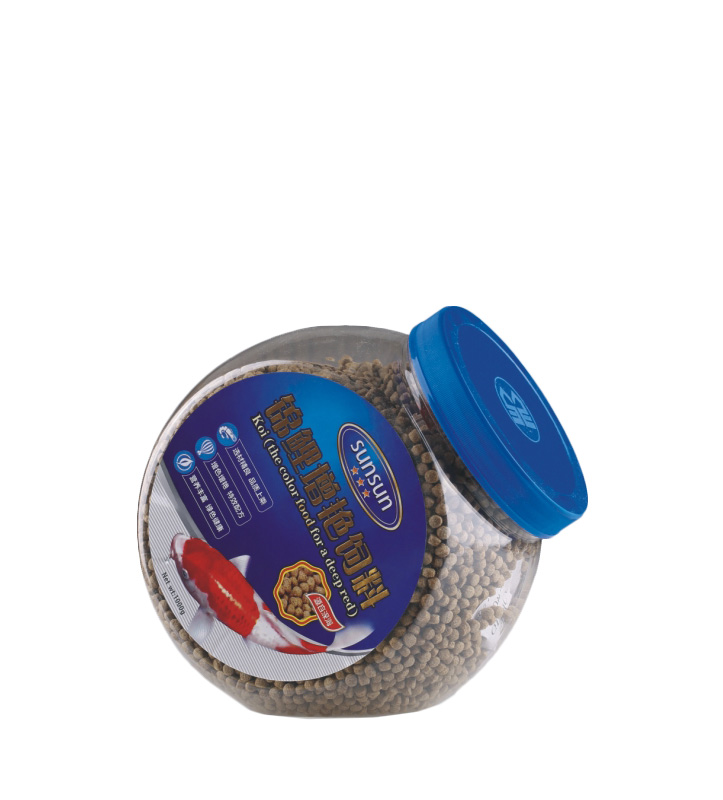
Koi carp are more than ornamental fish; they are living centerpieces of garden ponds, aquariums, landscaped courtyards, and water features. Their graceful movement, long lifespan, and distinctive color patterns make them a valued part of aquatic culture. To maintain their beauty and vitality, nutrition must be consistent, balanced, digestible, and suitable for routine feeding. BYJ-3101/3102/3103 koi carp feed is designed for this purpose: a practical, bottled food solution for koi keepers who want dependable nutrition, convenient storage, and stable feeding performance across different care environments.
This product is positioned within the Aquarium Accessories category and is available in three net content options: 250 g, 500 g, and 1000 g per bottle. These sizes allow users to choose a quantity that matches their pond scale, feeding frequency, and storage preference. Smaller bottles are suitable for hobbyists with limited fish populations or for those testing a new feed program, while larger bottles support regular feeding for more established koi ponds. The product range, identified as BYJ-3101, BYJ-3102, and BYJ-3103, provides a straightforward way to meet different daily feeding requirements without complicating inventory or purchasing decisions.
In a market filled with generic fish foods, a specialized koi carp feed must do more than simply satisfy appetite. It should help support healthy growth, maintain body condition, encourage active feeding behavior, and reduce unnecessary water contamination caused by poor digestion or unstable feed particles. BYJ-3101/3102/3103 is presented as a focused nutritional accessory for koi care, supported by the manufacturing background and industrial capability of Sensen Group Co., Ltd., an enterprise with decades of experience in aquarium pets, aqua cultural machinery, industrial equipment, and related aquatic solutions.
Content
BYJ-3101/3102/3103 is a bottled koi carp feed developed for daily pond and ornamental fish feeding. Its central value lies in its balance of convenience and purpose. Instead of being an anonymous bulk feed, the product is organized into clear bottle sizes that help users manage freshness, portion control, and long-term storage. This packaging approach is especially important for koi keepers, because feed quality can be affected by moisture, air exposure, and improper storage. A bottled format supports cleaner handling and helps users maintain a more orderly feeding routine.
Koi carp have different nutritional needs depending on age, water temperature, activity level, and seasonal pond conditions. While the feed information provided identifies the product simply as koi carp feed, its role can be understood within the broader requirements of koi nutrition. Koi require protein for tissue development and maintenance, energy sources for activity, digestible ingredients to reduce waste, and micronutrients to support immune condition and overall vitality. A high-quality feed should be palatable enough to encourage feeding yet stable enough to avoid excessive breakdown in water.
The three product identifiers correspond to the available bottle sizes. BYJ-3101 is associated with a 250 g bottle, BYJ-3102 with a 500 g bottle, and BYJ-3103 with a 1000 g bottle. This structure makes selection simple for retailers, distributors, and end users. A customer can begin with a smaller bottle, move to a medium bottle for ongoing use, or choose the larger bottle for cost-effective feeding in a pond with multiple koi.
| Product Model | Product Type | Net Content | Recommended Use Scenario |
|---|---|---|---|
| BYJ-3101 | Koi carp feed | 250 g per bottle | Small ponds, trial feeding, occasional use, or limited koi populations |
| BYJ-3102 | Koi carp feed | 500 g per bottle | Regular feeding for medium-sized koi ponds or hobby aquariums |
| BYJ-3103 | Koi carp feed | 1000 g per bottle | Frequent feeding, larger fish populations, or long-term pond care |
Koi carp are long-lived fish, and their condition reflects the quality of their environment and diet. A pond may have good filtration, adequate oxygenation, and stable water movement, but without appropriate feed, fish may fail to develop ideal body shape, color intensity, and vigor. Poor feed can create several problems: uneaten particles pollute the water, indigestible ingredients increase waste, and inconsistent nutrition weakens the feeding program. For koi keepers, feed is therefore not just a consumable item; it is a daily management tool.
One of the most important advantages of a reliable koi feed is predictable acceptance. Fish that respond actively at feeding time are easier to observe. The keeper can inspect movement, appetite, behavior, and visible condition. If feed is unattractive or inconsistent, koi may feed slowly or leave particles behind, making it harder to distinguish between normal selectivity and a health concern. A purpose-made koi feed should support routine feeding that is both enjoyable and practical.
Water quality is another major reason to choose feed carefully. Many pond owners focus heavily on pumps, filters, and water clarifiers, but feed quality directly affects the workload of the entire aquatic system. Feed that breaks apart too quickly can cloud water. Feed that is difficult to digest can result in heavier waste output. Feed that is offered in poor portion sizes can encourage overfeeding. BYJ-3101/3102/3103 addresses this need from the accessory side of pond management by giving users a controlled, bottled feeding option suitable for measured use.
A key advantage of BYJ-3101/3102/3103 is its practical packaging structure. Many competing fish feeds are sold in bags that may be difficult to reseal, vulnerable to humidity, and inconvenient for daily use near ponds. Bottled packaging offers a cleaner and more user-friendly alternative. It allows the feed to be stored upright, carried easily, and dispensed with better control. For families, garden pond owners, aquarium stores, and small commercial settings, this packaging difference matters because it improves daily handling.
Convenience also supports consistency. Koi should generally be fed in controlled amounts rather than random handfuls. A bottle format helps users form a habit of measuring and observing feeding response. When food is easier to access and store, the user is less likely to neglect feeding schedules or leave containers exposed to damp pond conditions. This practical advantage can translate into better long-term care.
Another advantage is the availability of 250 g, 500 g, and 1000 g net content options. Competitor products sometimes force customers into either a small package that runs out too quickly or a large package that may lose freshness before use. The three-size system helps reduce waste and improves buying accuracy. A beginner koi keeper can start with the 250 g bottle, while an experienced pond owner can choose the 1000 g bottle for stronger value and fewer repurchases.
Retailers also benefit from this range. Shelf planning becomes easier when one product family covers different consumption levels. Distributors can meet the needs of diverse customers without carrying many unrelated feed brands. This creates a smoother supply chain and improves brand consistency in aquarium accessory departments.
Koi carp are not the same as general pond fish in the eyes of enthusiasts. Their shape, color, and social feeding behavior are important. A feed intended for koi should reflect ornamental care priorities rather than basic survival feeding. BYJ-3101/3102/3103 is specifically identified as koi carp feed, making it a targeted choice for keepers who want food aligned with the species they raise.
Ordinary or low-grade competitor feeds may be marketed broadly for “pond fish” without attention to koi-specific feeding expectations. While such feeds may be inexpensive, they can be less satisfying for users who care about visible results and stable daily management. A dedicated koi carp feed helps reinforce a more professional care routine.
Feed does not operate in isolation. It interacts with water pumps, air pumps, filtration, lighting, aquarium accessories, and garden equipment. Sensen Group Co., Ltd. has long operated across multiple aquatic product categories, including aquarium pets, aqua cultural machinery, industrial equipment, water pumps, air pumps, aquarium accessories, and related equipment. This background provides a broader understanding of aquatic ecosystems and the importance of products that work together.
A feed product developed within a company familiar with aquarium systems can be positioned more effectively than feed from a supplier with limited aquatic equipment knowledge. The result is a product that belongs naturally within a complete pond and aquarium care environment. Customers can source feeding products alongside supporting equipment, simplifying maintenance and improving trust.

The credibility of a koi feed product depends not only on the label but also on the manufacturing organization behind it. Sensen Group Co., Ltd. was established in November 1985 and has developed through more than 30 years of continuous effort. Its business history covers aquarium pets, aqua cultural machinery, industrial equipment, and related markets. This long-term involvement supports product development discipline, manufacturing management, and market responsiveness.
The company’s headquarters includes multiple functional departments, including Sensen Research Institute, Sunsun Business School, Quality Control Department, Personnel and Administrative Information Department, and Financial Department. Such a structure suggests a company that does not rely only on basic production but also on research, training, administration, and quality systems. For a feed product, these organizational capabilities are important because they support consistency, supplier coordination, production planning, and market adaptation.
Advanced manufacturing is not limited to machines. It also includes process control, worker training, quality inspection, packaging discipline, and continuous improvement. A company with a dedicated research institute can study customer needs and product performance. A quality control department can help ensure that products meet defined standards. Training institutions within the company can improve staff knowledge and operational consistency. These strengths contribute to a more dependable final product.
In feed production, consistency is essential. Customers expect each bottle to deliver the same feeding experience as the previous one. If one batch performs well and another batch differs noticeably, trust declines. Quality control helps prevent this problem by monitoring production standards, packaging conditions, and product appearance. A company with an established Quality Control Department is better positioned to maintain uniformity across multiple production runs.
For koi keepers, quality control is visible through daily use. They notice whether the feed smells fresh, whether the fish respond eagerly, whether particles remain stable long enough for feeding, and whether the water stays manageable. While the provided product details do not list a full formula, the manufacturer’s operational background gives confidence that the product is part of a broader system of aquatic goods rather than a casual or temporary offering.
Competitor feeds from small or short-term suppliers may lack reliable quality assurance. They may vary in packaging strength, storage performance, or batch appearance. BYJ-3101/3102/3103 benefits from being linked to a large-scale enterprise with production and marketing experience. This can be especially important for wholesalers and retailers who need stable inventory and fewer customer complaints.
Sensen Group has emphasized continuous innovation across aquarium pets, aqua cultural machinery, and industrial equipment. This culture of innovation is relevant to koi feed because customer expectations in ornamental fish care continue to rise. Modern koi keepers want more than basic food. They look for products that are easy to store, suitable for regular feeding, compatible with clean water management, and supported by a trusted manufacturer.
The company’s development direction includes industrial technicalization, marketing globalization, and brand internationalization. These goals indicate a commitment to technical improvement and market expansion. For BYJ-3101/3102/3103, this means the product is not isolated from the company’s larger strategy. It is part of an ecosystem of products intended to serve domestic and foreign markets with professional standards.
Understanding the market is especially important in the aquarium and pond industry. Customers range from beginners buying their first koi to experienced hobbyists managing large ponds. Retail environments include specialized aquarium stores, online platforms, garden centers, and distributors. A manufacturer with extensive sales networks and retail experience can design products that are easier to explain, stock, and sell.
One of the strongest competitive advantages of Sensen Group is scale. The company has developed multiple subsidiary corporations, including operations in Zhoushan, Zhejiang, Jiangsu, Chongqing, Zhongshan, Tianjin, and other locations. It also maintains trading company relationships in several regions. This broad structure supports production, marketing, and distribution capacity. For a consumable product such as koi feed, supply reliability is extremely important.
Koi feed is purchased repeatedly. If a product performs well but becomes unavailable, customers may switch brands. Retailers may also hesitate to promote a product that cannot be restocked reliably. A large manufacturing and distribution foundation helps reduce these concerns. BYJ-3101/3102/3103 can be positioned as a practical product for long-term market presence rather than a short-lived seasonal item.
Supply reliability also matters for international buyers. Importers and distributors need stable communication, predictable packaging, and repeatable product availability. The company’s import and export experience supports its ability to serve foreign markets. This is an advantage over smaller competitors that may lack export familiarity, documentation discipline, or production volume.
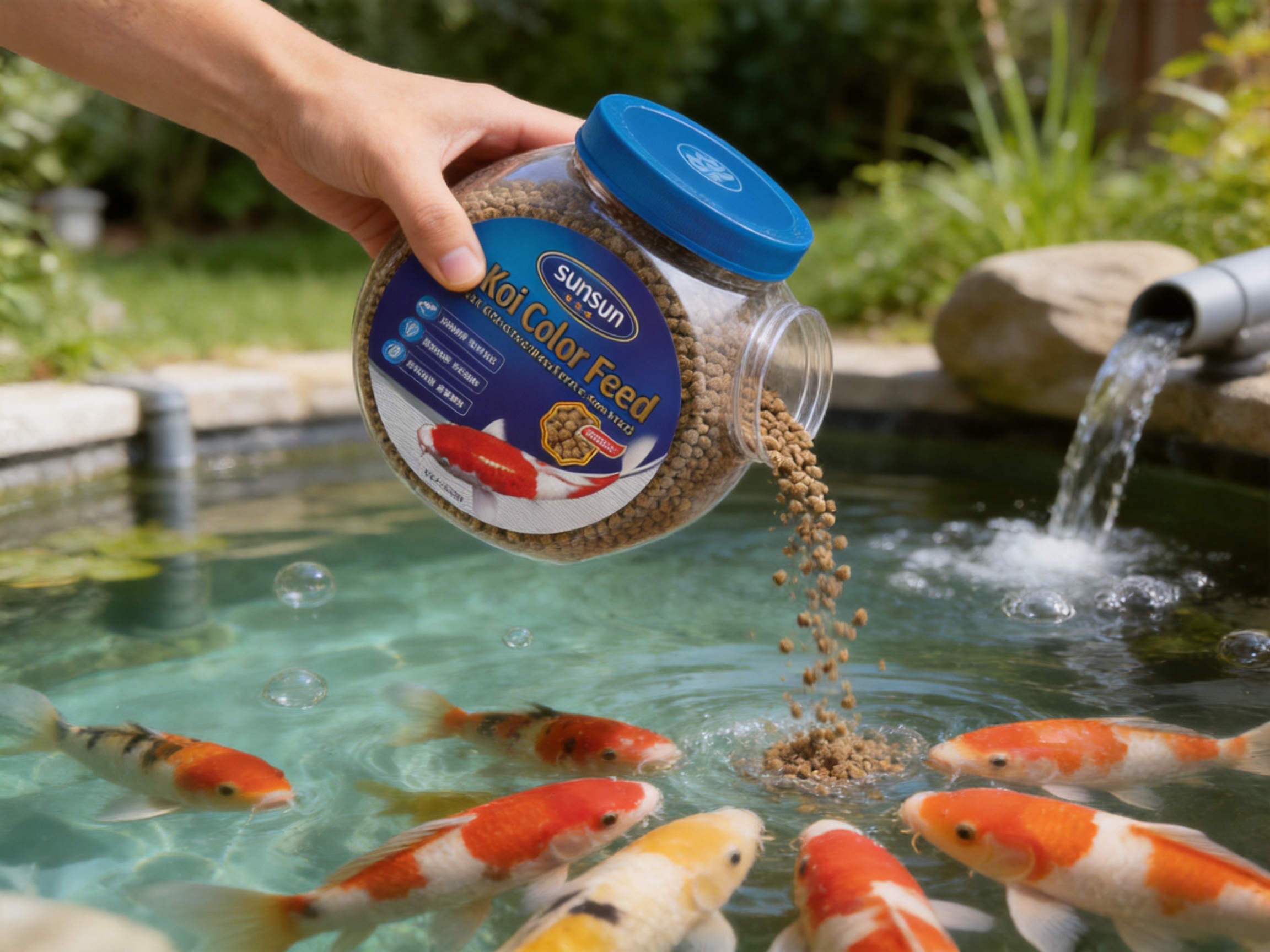
The 250 g bottle is ideal for customers who prefer a manageable quantity. New koi keepers may be cautious when selecting feed, and a smaller bottle lowers the commitment required to begin. It is also suitable for small ponds, indoor tanks containing young koi, or users who feed koi only seasonally. For retailers, this size can encourage first-time purchases and impulse decisions because it is approachable and easy to display.
Another benefit of the smaller size is freshness control. If a user has only a few fish, a large package may remain open for too long. A 250 g bottle helps ensure the feed is used within a reasonable period. This can improve customer satisfaction and reduce complaints associated with improper storage after opening.
The 500 g bottle is a middle option for regular use. It is suitable for hobbyists who feed koi frequently but do not require large-volume storage. This size offers a practical balance between convenience and value. It can be placed easily near a pond maintenance area, carried outdoors, and used for repeated feeding sessions.
For many customers, the 500 g size may become the standard choice. It provides enough feed for ongoing care while maintaining the advantage of a compact bottle. In retail settings, this size can serve as the core product in the series because it appeals to a broad customer group.
The 1000 g bottle is designed for users with larger koi populations or more frequent feeding needs. Experienced pond keepers often prefer larger packages because they offer better purchasing efficiency. A one-kilogram bottle reduces the need for frequent repurchasing and supports a consistent feeding routine.
However, the bottle format remains important even at this size. Large bags can be awkward to reseal and store. A rigid bottle is easier to manage and may help protect the feed from casual moisture exposure when used properly. This makes the 1000 g version a strong alternative to bulk competitor products that may be less convenient in daily use.
Successful koi feeding is based on observation, moderation, and consistency. Fish should be given an amount they can consume within an appropriate period, and uneaten feed should not be allowed to decay in the water. BYJ-3101/3102/3103 supports this approach by providing a controlled product format that encourages regular, measured feeding. The bottle can be opened, used, and closed with minimal mess.
Good feeding management also involves adapting to the season. Koi metabolism changes with water temperature. In warmer conditions, koi are more active and may feed more readily. In cooler conditions, feeding should be reduced, and in very cold water, feeding may need to stop depending on pond conditions. A practical feed product helps the keeper maintain control over these adjustments.
Another benefit is household usability. Many koi ponds are located in gardens where multiple family members may participate in feeding. A clearly packaged bottle reduces confusion compared with loose feed stored in unmarked containers. The product model and size structure make it easier to maintain a routine and avoid accidental overfeeding.
Feed is one of the main sources of organic load in a pond. Even the best filtration system must process the waste created by fish metabolism and uneaten food. Therefore, choosing a reliable feed and using it correctly can help maintain clearer, healthier water. BYJ-3101/3102/3103 contributes to water management by supporting controlled feeding habits and practical storage.
When users feed from a bottle, they may be less likely to throw excessive amounts into the pond. Better portion control can reduce leftover particles. Less leftover feed means less decomposition, lower filter stress, and a more pleasant pond environment. This is especially important in ornamental ponds where water clarity affects the viewing experience.
Competitor products that crumble easily, smell stale, or encourage overfeeding can increase maintenance demands. While filtration and aeration remain essential, feed quality and feeding discipline are equally important. A reliable koi feed should be viewed as part of the total pond care system, alongside pumps, filters, air pumps, and water treatment accessories.
Sensen Group Co., Ltd. has developed a strong presence in the aquarium and aquatic equipment industry. Its product categories include big fish tanks, small fish tanks, aquarium lighting, controllers, aquarium equipment, garden equipment, water pumps, air pumps, plant wall products, pet products, and aquarium accessories. BYJ-3101/3102/3103 fits naturally within this broad portfolio as a consumable accessory that supports the daily care of ornamental fish.
The company’s history since 1985 demonstrates durability and adaptability. In industries connected to pets and aquaculture, customer needs evolve constantly. New retail channels appear, technology improves, and consumers become more informed. A company that remains active for decades must be able to adapt its products, production systems, and service models. This long experience strengthens confidence in its koi feed offering.
The company has also worked to create a sales network system with thousands of aquarium stores featuring unified decoration throughout the country. This retail model helps customers access products, receive guidance, and build familiarity with the product line. In addition, the company has developed online and offline integration through modern retail methods and digital service platforms. Such market infrastructure gives BYJ-3101/3102/3103 a stronger commercial foundation than competitor products with limited distribution visibility.
Manufacturing strength is built on philosophy as much as equipment. Sensen Group emphasizes professionalism, innovation, sincerity, and capable people as elements of success. This philosophy aligns with the expectations of modern aquatic product buyers. Customers want products made by companies that understand the industry, invest in quality, and maintain stable service relationships.
For BYJ-3101/3102/3103, advanced management supports several practical outcomes. Production planning can be more consistent. Packaging decisions can be based on market needs. Quality monitoring can be integrated into daily operations. Sales feedback can be collected through stores and distributors, allowing the company to improve product strategy over time.
Competitors without advanced management systems may compete only on price. However, low price alone is not enough in koi care. A feed product affects valuable fish and pond water conditions. Many koi owners prefer dependability, availability, and manufacturer credibility over the cheapest option. BYJ-3101/3102/3103 is therefore positioned not merely as food, but as a trustworthy accessory from a company with broad aquatic expertise.
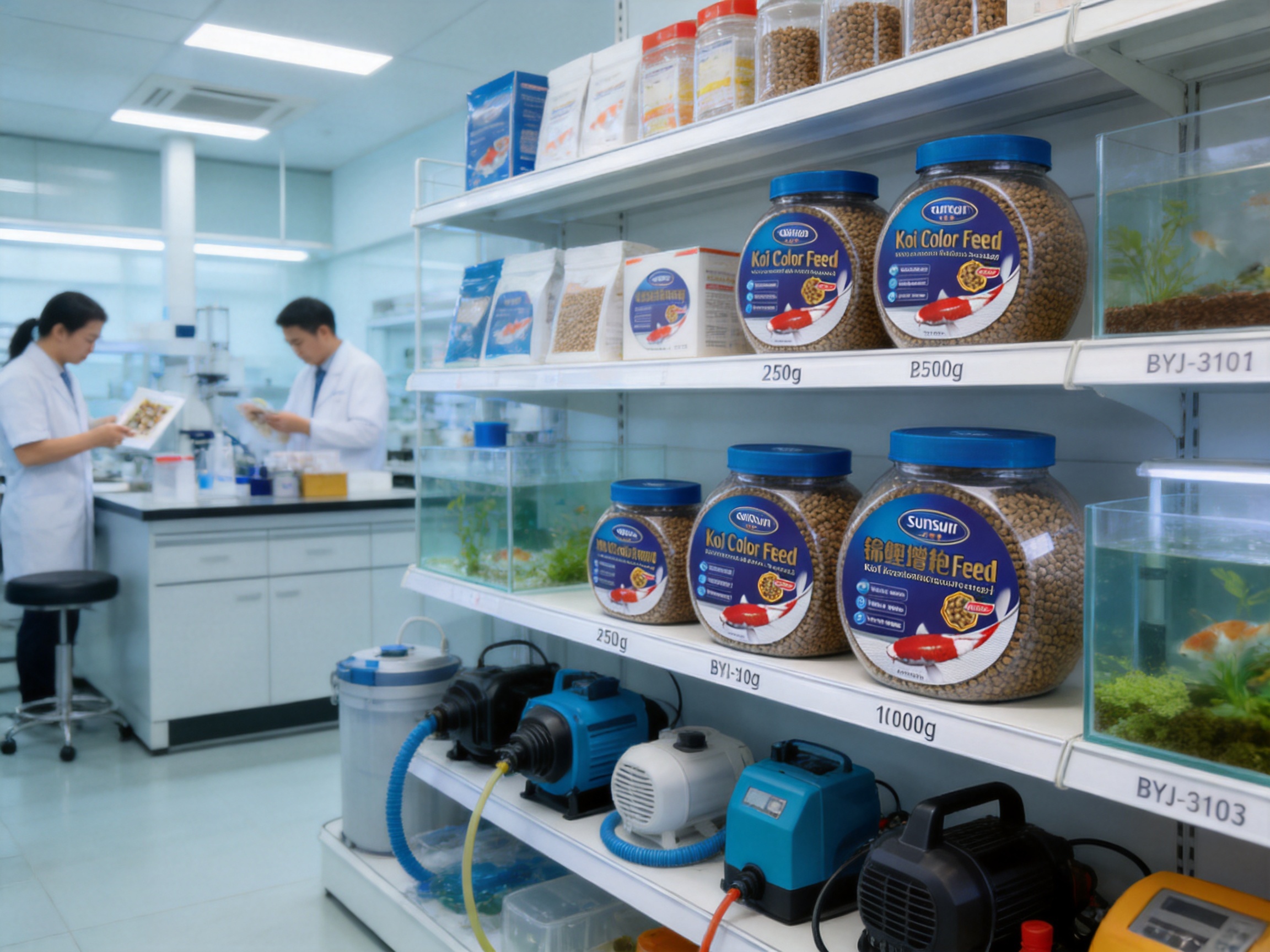
From a retailer’s perspective, BYJ-3101/3102/3103 offers several benefits. The product is easy to categorize under Aquarium Accessories, easy to explain as koi carp feed, and easy to stock in three bottle sizes. The model numbering system supports inventory management, while the visual consistency of a product family can make shelves look more organized.
For distributors, the product benefits from being connected to a manufacturer with large-scale production and an established export orientation. Stable supply, recognizable company background, and category compatibility are all important for wholesale success. A distributor can include this koi feed alongside pumps, filters, aquarium accessories, and garden pond equipment, creating a more complete offering for retail clients.
For end users, the value is simple: a practical koi feed in a suitable size, supported by a company deeply involved in aquatic products. The customer does not need to understand every detail of manufacturing to appreciate the convenience and reliability of a well-presented bottled feed.
To achieve the best results with BYJ-3101/3102/3103, koi keepers should follow responsible feeding habits. Feed only the amount koi can consume in a short period. Observe the fish during feeding to ensure active response and normal behavior. Remove or reduce food if leftovers remain. Store the bottle in a cool, dry place and close it properly after each use.
Feeding frequency should be adjusted according to water temperature and fish activity. In warm seasons, koi may accept food more actively, but overfeeding should still be avoided. In cooler seasons, metabolism slows and feeding should be reduced. If fish are inactive or water conditions are unstable, feeding should be adjusted accordingly.
Users should also maintain supporting pond equipment. Good feed works best in an environment with adequate filtration, aeration, and circulation. Water pumps, air pumps, and filters all help preserve water quality. BYJ-3101/3102/3103 should be considered part of a complete pond care routine rather than the only factor in fish health.
Generic fish feeds often compete through low pricing, broad labeling, or large bulk packaging. While these products may appeal to cost-sensitive buyers, they can create disadvantages in daily use. Packaging may be less protective, product identity may be less focused, and manufacturer support may be limited. BYJ-3101/3102/3103 responds to these weaknesses by offering clear koi-specific positioning, convenient bottle sizes, and backing from an established aquatic industry manufacturer.
The product’s greatest competitive strength is its combination of usability and credibility. A koi keeper wants feed that is simple to store and easy to use, but also wants confidence in the producer. Sensen Group’s long operational history, broad product categories, research and quality departments, and large sales network help create that confidence. This is not a feed presented in isolation; it is part of a wider aquatic product ecosystem.
Compared with competitors that offer only one package size, the three-size range is more flexible. Compared with loose bags, bottles are more convenient. Compared with non-specialized suppliers, the manufacturer’s background in aquarium and pond equipment provides stronger relevance. These advantages make BYJ-3101/3102/3103 suitable for both individual koi hobbyists and commercial sales channels.
Modern koi keeping blends tradition with convenience. Koi appreciation has deep cultural roots, but today’s owners also expect practical products, attractive packaging, accessible retail channels, and dependable supply. BYJ-3101/3102/3103 fits this modern pattern by offering a straightforward koi feed solution that is easy to buy, store, and use.
In garden ponds, owners often want feeding to be an enjoyable daily interaction. A clean bottle of feed makes that experience simpler. In aquarium shops, staff need products that are easy to recommend and understand. In distribution networks, suppliers need products with repeat demand and stable category relevance. This koi feed series addresses each of these needs.
The product also supports the larger trend toward integrated aquatic care. Customers increasingly prefer to purchase compatible products from trusted manufacturers rather than combine random items from unrelated sources. Because Sensen Group offers many aquatic and garden equipment categories, BYJ-3101/3102/3103 can be included in a complete care solution for ponds, aquariums, and ornamental fish environments.
BYJ-3101/3102/3103 is a koi carp feed product supplied in bottled packaging. It is designed for routine feeding of koi carp in ornamental ponds, aquarium environments, and garden water features.
The product is available in three net content options: 250 g, 500 g, and 1000 g per bottle. These sizes allow users to choose according to the number of fish, feeding frequency, and storage preference.
A beginner or small-pond owner may start with the 250 g bottle because it is easy to handle and helps maintain freshness. Users with more koi or regular feeding needs may choose the 500 g or 1000 g bottle.
Bottled packaging is convenient for storage, carrying, and daily feeding. It can help reduce mess compared with loose bags and encourages more controlled portioning during feeding.
It is specifically positioned as koi carp feed and is available in practical bottle sizes. It also benefits from the manufacturing and market background of Sensen Group Co., Ltd., a company with long experience in aquarium pets, aquatic equipment, and related industries.
Responsible feeding with a controlled product can help reduce leftover food and unnecessary waste. Water quality still depends on correct feeding amounts, filtration, aeration, and pond maintenance, but good feeding habits are an important part of clean water management.
The bottle should be kept closed after use and stored in a cool, dry place. Users should avoid exposing feed to moisture, direct sunlight, or contaminated surfaces.
Feeding frequency depends on water temperature, fish activity, season, and pond condition. Koi are usually fed more actively in warm conditions and less in cool conditions. Users should observe fish behavior and avoid overfeeding.
Yes. The three-size product range, clear koi feed positioning, and manufacturer background make it suitable for aquarium stores, garden pond suppliers, pet product retailers, and distributors.
BYJ-3101/3102/3103 koi carp feed is a practical and market-ready feeding solution for ornamental koi care. Its strengths begin with clear product positioning: it is koi carp feed, supplied in convenient 250 g, 500 g, and 1000 g bottles. These size options meet the needs of beginners, regular hobbyists, and established pond keepers. The bottle format supports cleaner handling, easier storage, and more controlled feeding, giving it an advantage over many generic competitor feeds sold in less convenient packaging.
The product’s broader value comes from the company behind it. Sensen Group Co., Ltd. has decades of experience in aquarium pets, aqua cultural machinery, industrial equipment, and aquatic accessories. Its research, quality control, production scale, sales network, and market innovation provide a strong foundation for reliable product supply and customer trust. In the competitive aquarium accessories market, these strengths matter because koi feed is a repeat-use product connected directly to fish condition and pond water quality.
For koi keepers, BYJ-3101/3102/3103 offers a simple way to support daily feeding routines. For retailers, it offers a clear and easy-to-stock product family. For distributors, it provides a consumable item connected to a large aquatic product ecosystem. By combining practical packaging, flexible sizing, koi-specific application, and manufacturing credibility, this product stands out as a dependable choice for modern koi care.
National Research Council. Nutrient Requirements of Fish and Shrimp. National Academies Press.
Stickney, R. R. Aquaculture: An Introductory Text. CABI Publishing.
Lovell, T. Nutrition and Feeding of Fish. Springer.
Craig, S., and Helfrich, L. A. Understanding Fish Nutrition, Feeds, and Feeding. Virginia Cooperative Extension.
Wedemeyer, G. A. Fish Hatchery Management. American Fisheries Society.


 No. 61-79, Baima Street, Maao Town, Dinghai District, Zhoushan City, Zhejiang Province, China.
 0086 580 8082088 / 8081168
 0086 580 8080978
 songhua@sunsun-china.com